Diuretics or water pills are drugs which are made to enhance
the expulsion of water and sodium through urine. They are mainly used to treat
the following conditions:
- High blood pressure
- Liver cirrhosis
- Congestive heart failure
- Edema
- Kidney stones
- Diabetes
- Kidney dysfunction
- Poly-cystic ovary syndrome
How Diuretics Work
By increasing the amount of water expelled through urine,
there is less fluid in the blood. Pressure in the blood vessels is therefore
reduced.
These drugs also aid in proper blood circulation. Poor
circulation can lead to conditions like congestive heart failure. When the
heart does not pump blood effectively, there is likely to be a build up of
fluids (edema). Eliminating this fluid buildup can deter such heart conditions.
Types of Diuretics
There are 3 types of diuretics; Loop ,
Thiazide, and Potassium-sparing. But all of them do the same job.
Thiazide diuretics
are frequently prescribed for high blood pressure because they also make your
blood vessels to loosen up. They are sometimes combined with other hypertension
medications.
Potassium-sparing
diuretics help expel fluids from the body, but without the loss of
potassium. Since potassium is a vital nutrient, losing it may lead to issues
like arrhythmia. These drugs are therefore good for people in high risk of
potassium deficiency, like those on potassium draining medications.
Potassium-sparing diuretics are not very effective in treating
high blood pressure. They are therefore most often combined with other drugs.
Natural Diuretics
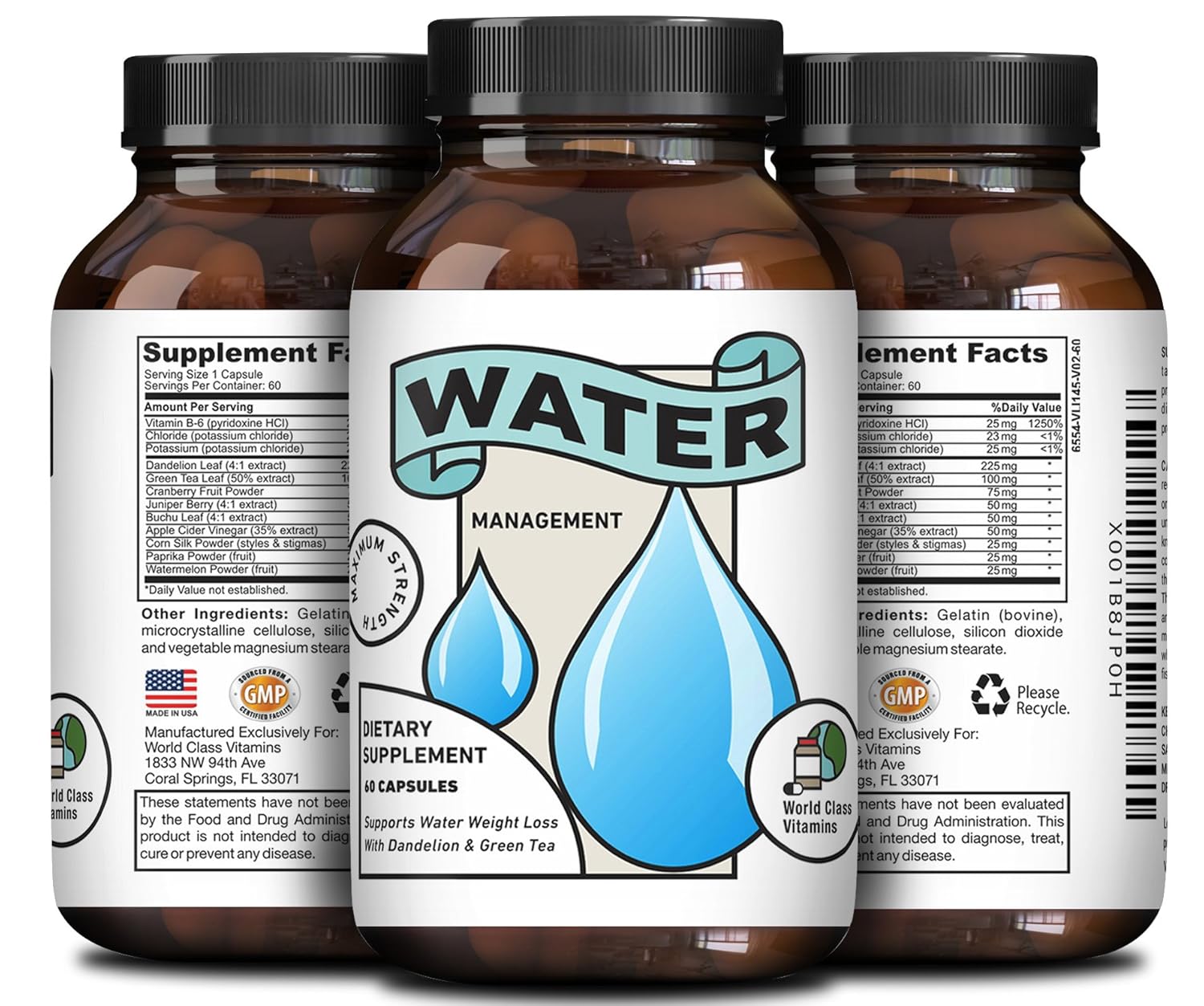
Some plants and herbal dietary supplements have the diuretic
effect and can be good for health. However, they should not be used in place of
proper medical advice. Secondly, users should consult a doctor to get
information about allergies and reaction with other medications.
The most common natural diuretics are;
Side Effects of Diuretics
Taking diuretics as prescribed does not normally cause any
side effects. But mild to serious side effects have been reported. These
include;
- Headaches
- Fatigue
- Lightheadedness
- Muscle cramps
- Skin rash
- Diarrhea
- Dizziness
- Thirst
- Gout
- Increased cholesterol
- Low potassium levels
- Too little sodium in the blood
- Higher blood sugar
- Increased potassium levels – this occurs only in potassium-sparing diuretics
- Palpitations of the heart
- Kidney failure
- Allergic reactions
Note; You should always talk to your doctor if any
medication prescribed results in side effects. Never discontinue or prolong the
use of a drug without consulting your doctor.
Risk Factors
Diuretics are normally well tolerated. However, they can be
risky if taken in conjunction with some medications, or if the user has certain
medical issues. Before you start taking diuretics, talk to your doctor if you
have one of the following:
- Gout
- Diabetes
- Kidney issues
- Menstrual problems
- Pancreatitis
- Recurrent dehydration
- Lupus
Before getting a prescription from your doctor, tell them if
you are using any other medications, supplements or herbs. This is important in
order to avoid potential drug interactions. Also enquire about follow-ups and
precautions.
Conclusion
Though diuretics help you to lose fluids, the water weight
is regained after you complete the dose. Using these drugs for a prolonged
period increases the risk of side effects.
It’s not a good idea to take any prescription medication
without proper medical advice. Always consult your doctor before using
over-the-counter medication as well.
If you have excess water mass, reduce your sodium intake and
increase on exercise. Adding more fruits and vegetables to your diet may also
be of use.


